In 2024, I had the pleasure of creating two illustrated wildlife displays for Curiodyssey, a science and nature centre in California, exploring the relationships between species and the ecosystems they share.
The project was designed to help visitors look beyond individual animals and understand the bigger picture: wildlife, plants, water, soil and people are all part of interconnected ecosystems. Through illustration, photography and storytelling, the displays encourage visitors to think about how different species depend on one another and why protecting natural habitats matters.
Curiodyssey's educational narrative follows two characters, Newt and Owl, as they reflect on the plants and animals around them and the importance of caring for the shared environment. The text introduces the idea that healthy ecosystems depend on many different forms of life working together.
My role was to translate this message into engaging visual interpretation, creating two displays with distinctly different approaches.
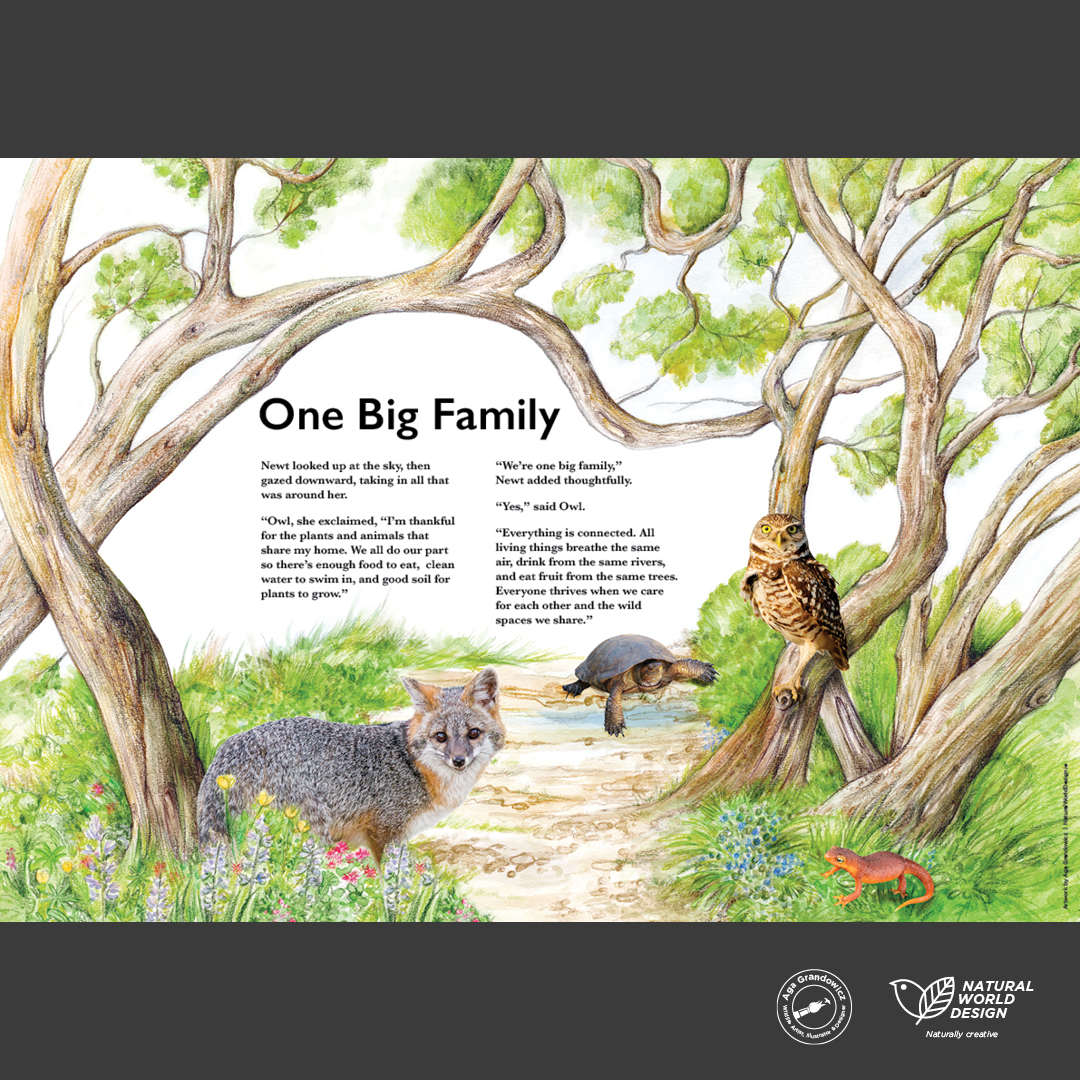
A mixed-media wildlife display
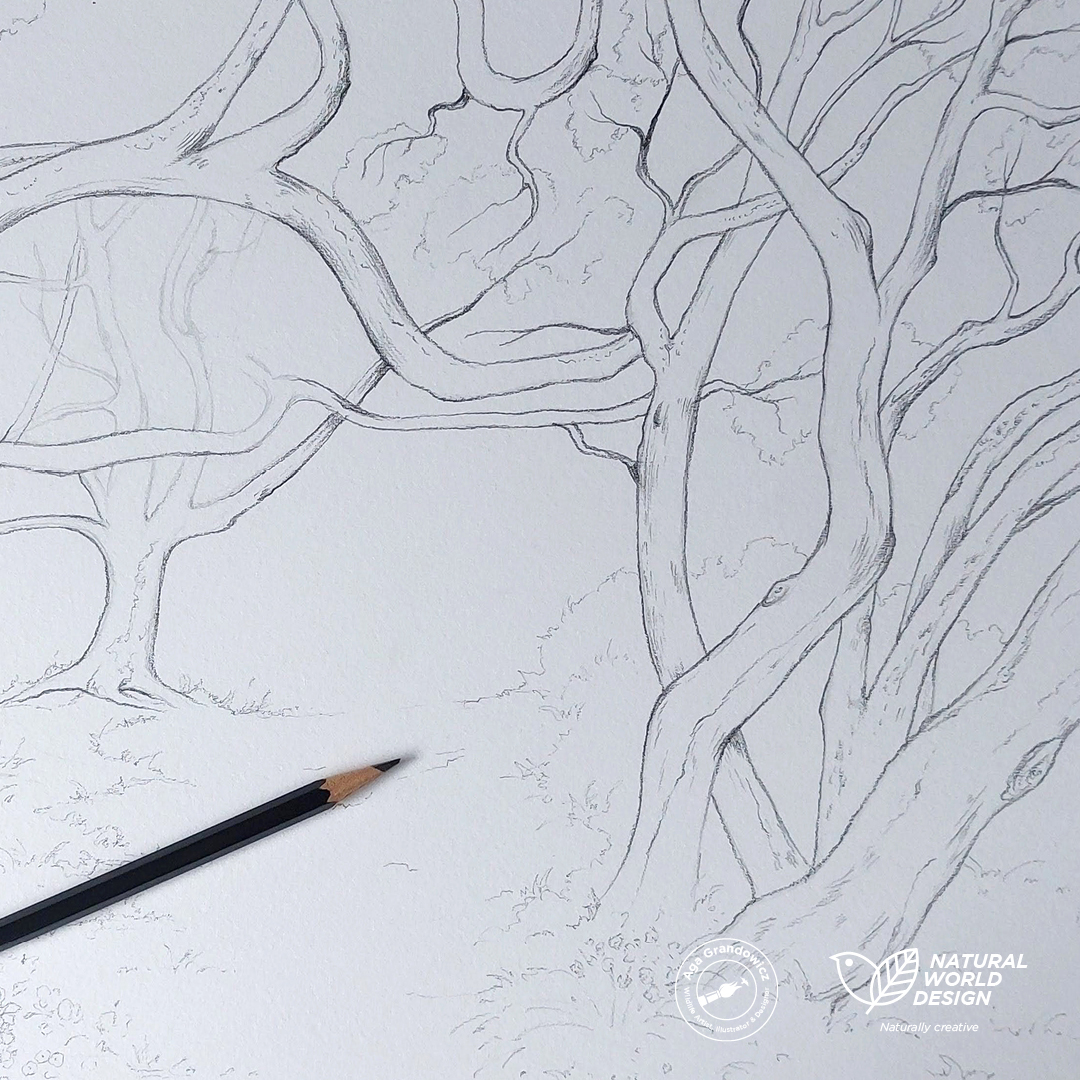
The first board combines hand-drawn wildlife illustration with photography, creating a layered view of a Californian woodland habitat.
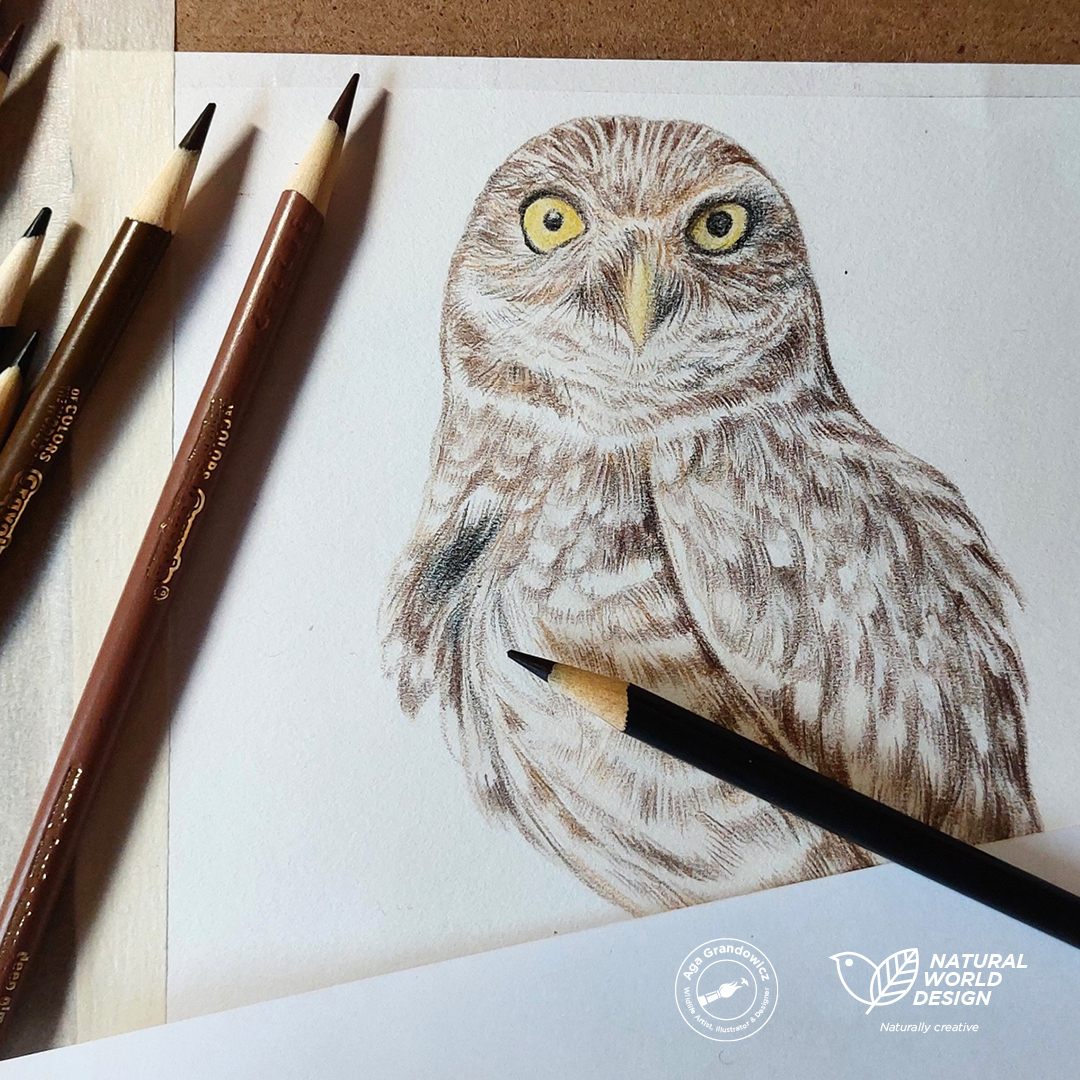
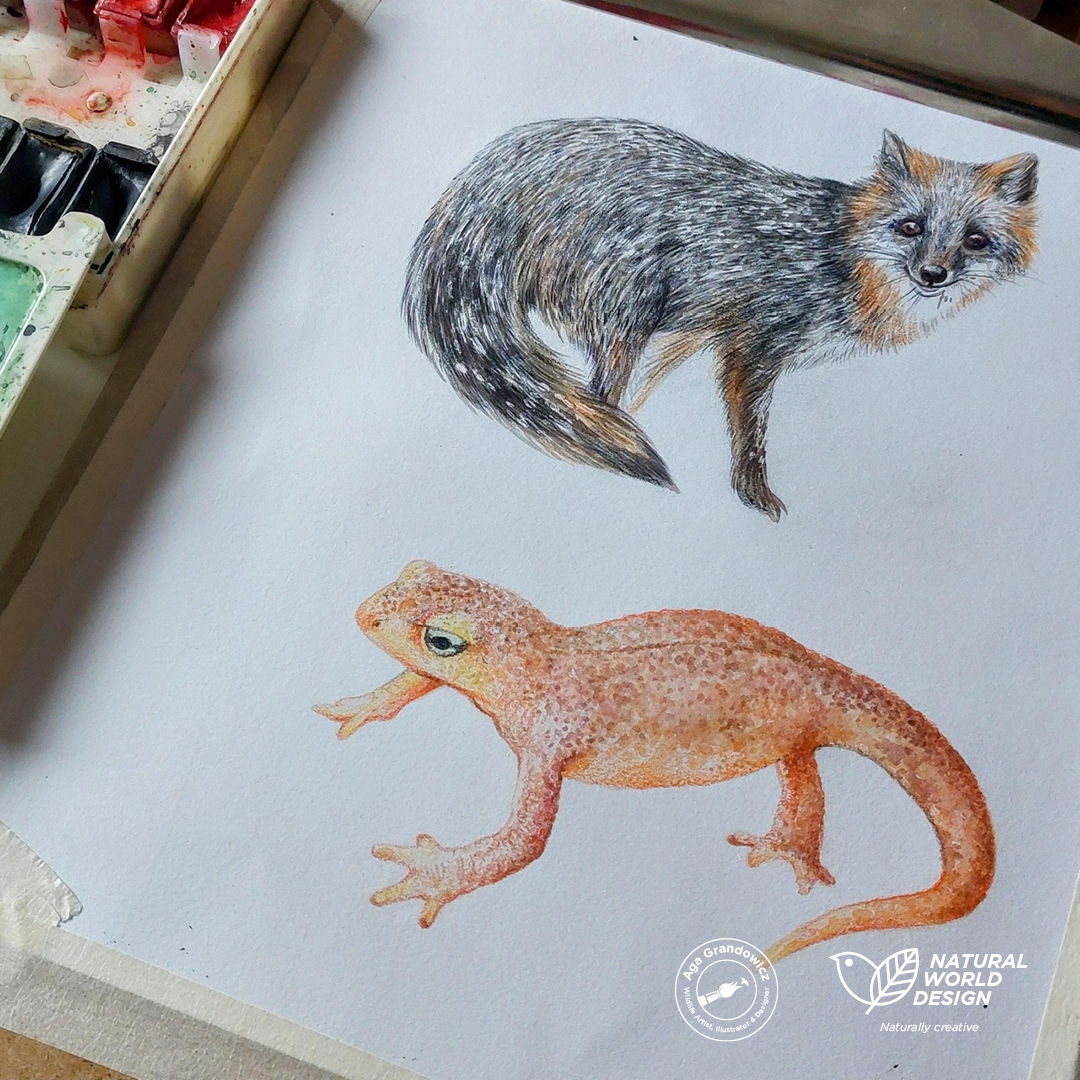
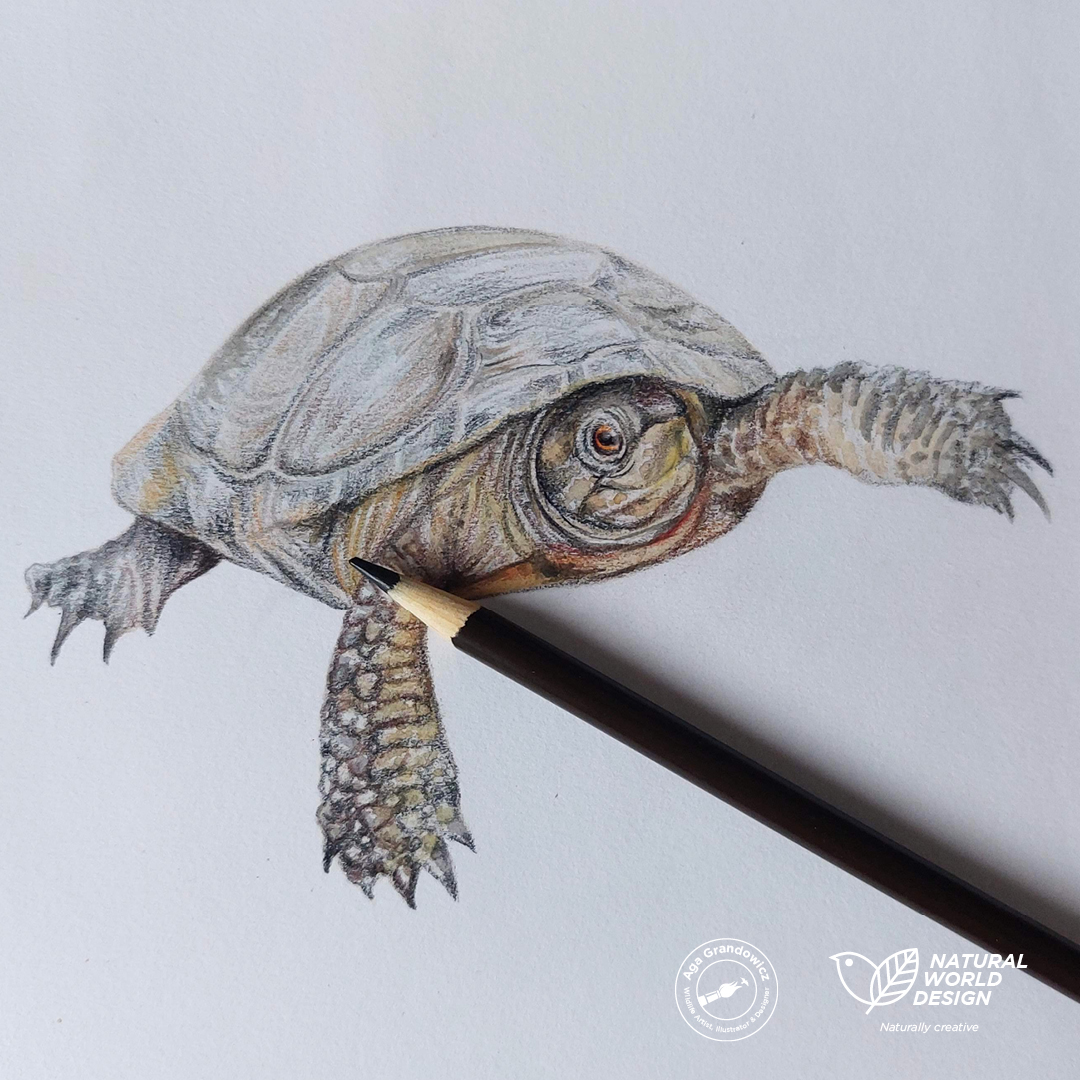
The illustrated species include the western pond turtle, burrowing owl, California newt and grey fox, with the drawn elements integrated with photographic imagery of the landscape. This combination allowed the display to move between the real environment and the illustrated world, giving visitors a sense of the animals within their habitat while retaining the character and detail of traditional wildlife drawing.
The mixed-media approach also helped communicate the idea of interconnectedness. Rather than presenting each animal as an isolated subject, the different visual elements come together to create a broader picture of the woodland ecosystem.
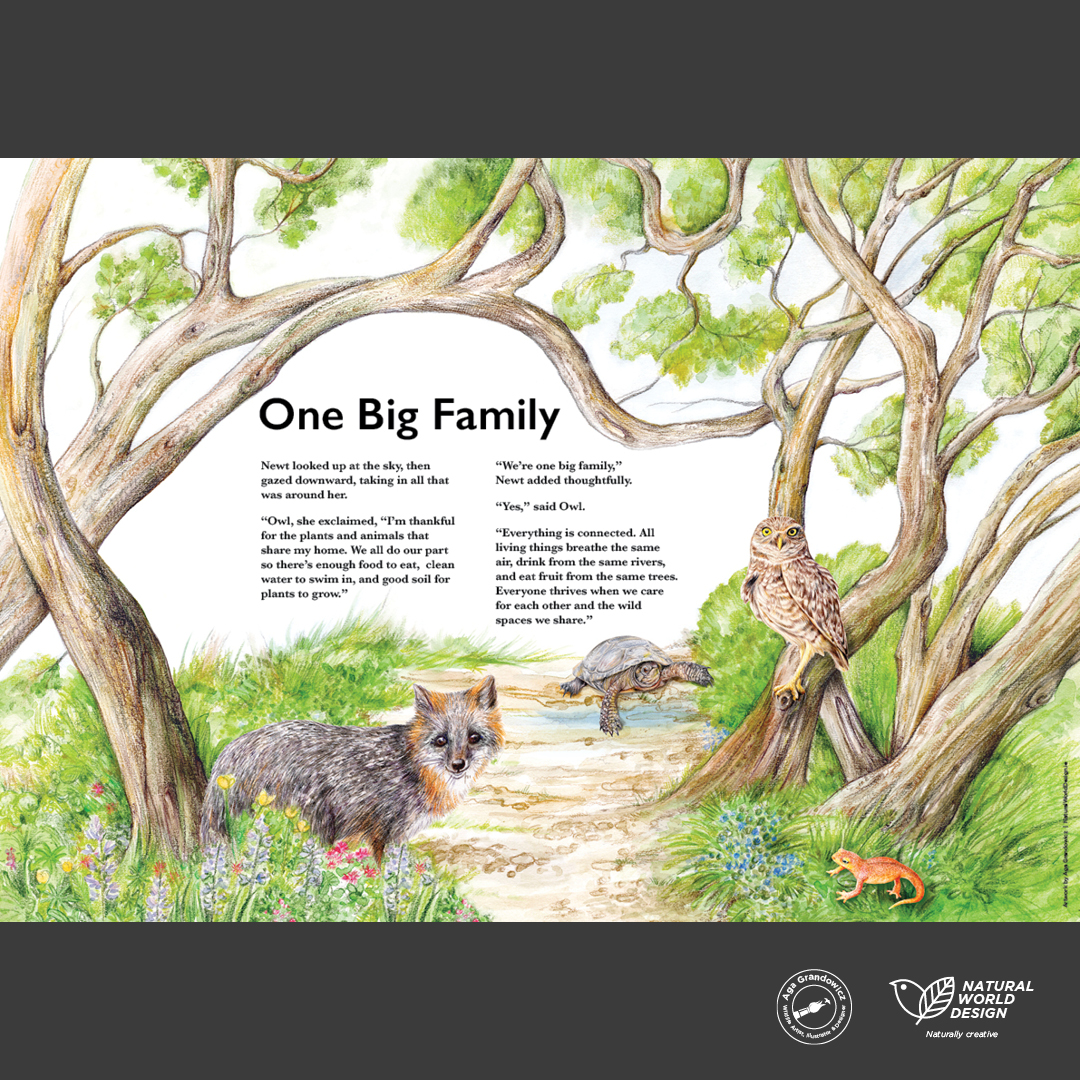
A fully illustrated wildlife display
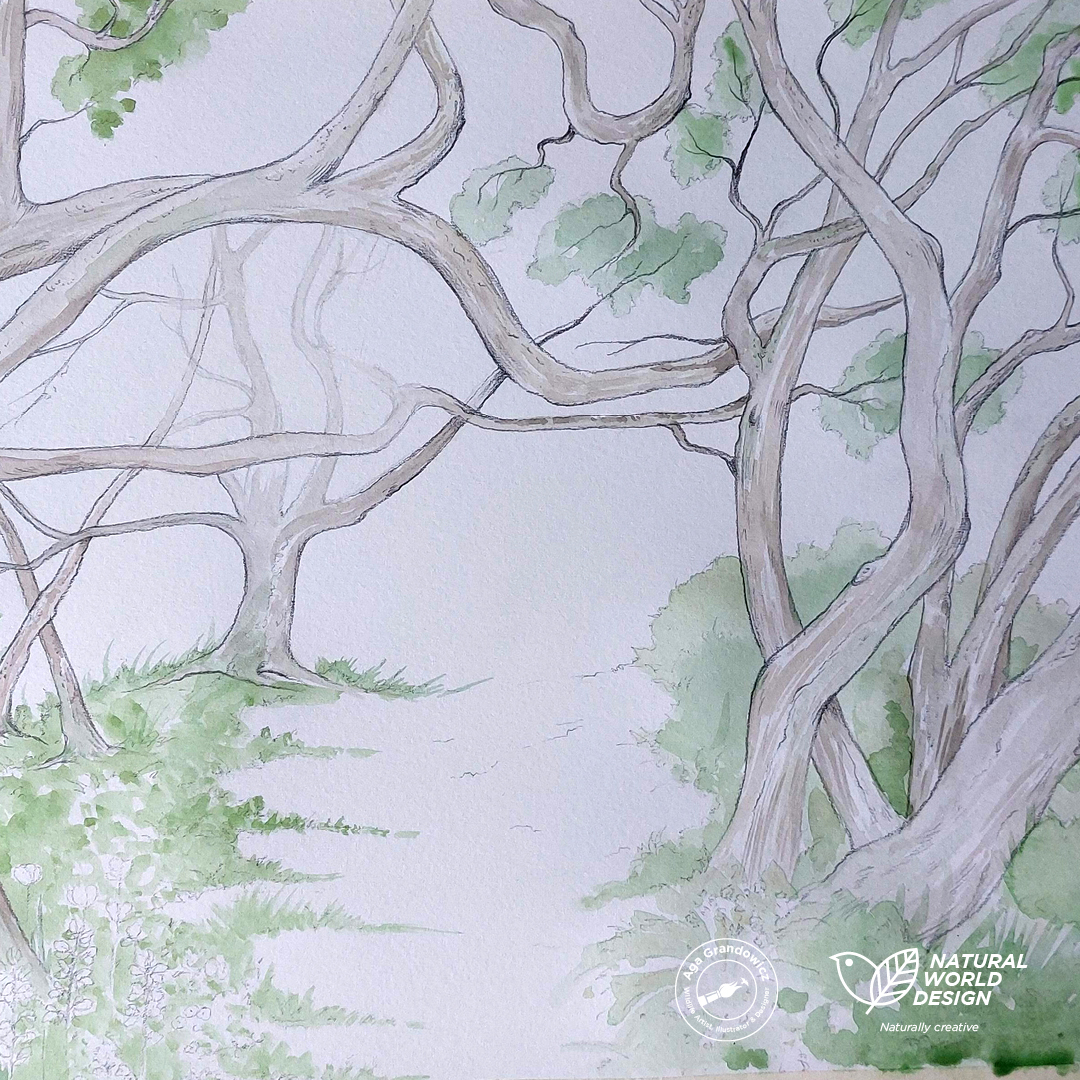
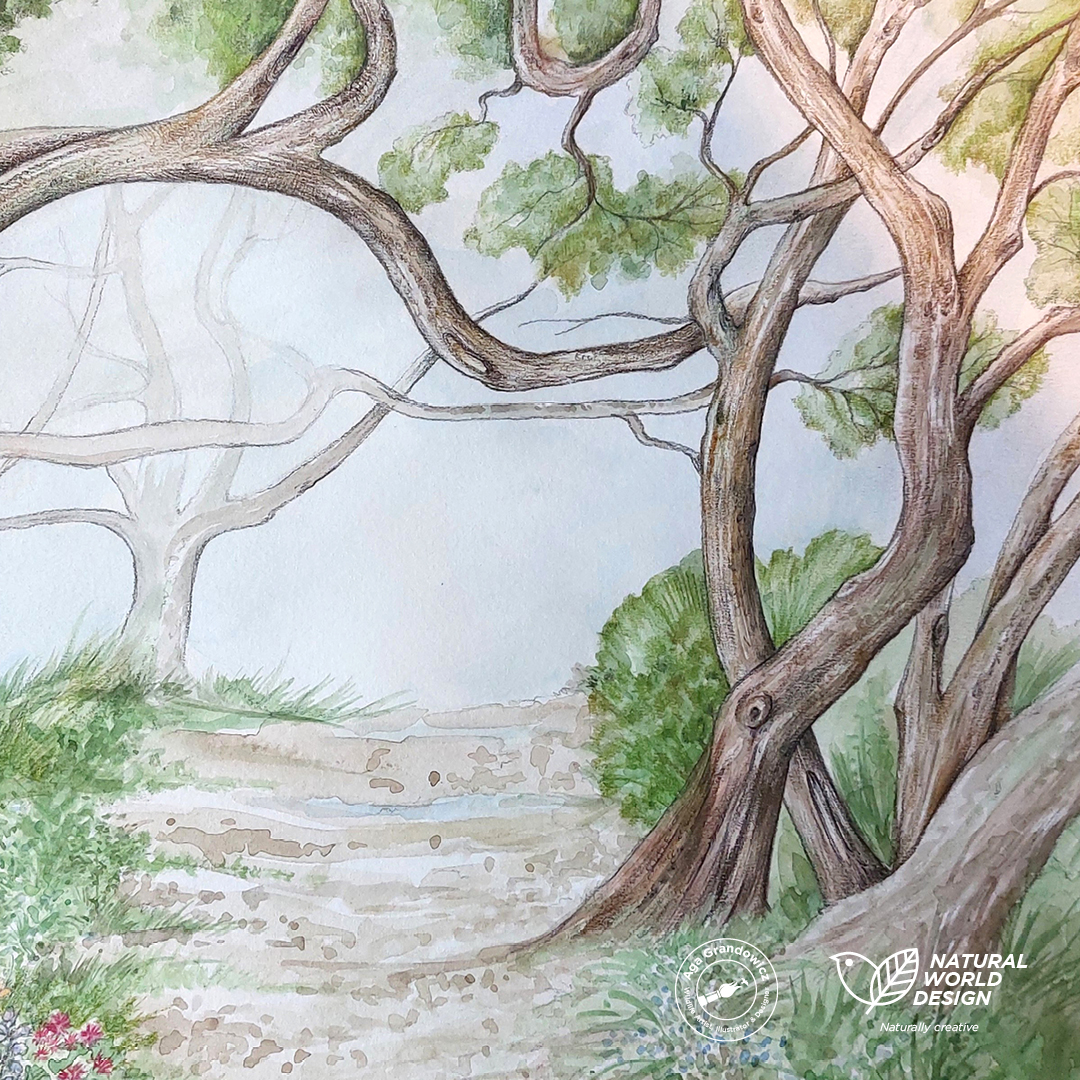
The second board takes a more immersive approach, using illustration throughout to depict the diversity of California's wildlife and natural habitats.
Here, the artwork becomes the environment itself, allowing visitors to explore the composition and discover different species within it. The illustrations were designed to be visually engaging from a distance while also rewarding closer observation, making the display accessible to visitors of different ages.
Illustration as environmental storytelling
I particularly enjoy this type of project because it sits at the intersection of wildlife illustration, graphic design, education and environmental interpretation.
A zoo or nature centre offers an opportunity to introduce people to species they may never encounter in everyday life, but simply naming an animal is not always enough to create a lasting connection. Illustration can communicate an animal's appearance, habitat, and relationships with other species while making the information more memorable and inviting.
For this project, the two different visual approaches also demonstrate how wildlife illustration can adapt to different communication needs. One display uses photography to anchor the artwork in a real Californian landscape, while the other creates an entirely illustrated world. Both ultimately serve the same purpose: helping visitors understand that wildlife exists as part of a much larger network of relationships.
Although the project is centred on Californian wildlife, it reflects a wider aspect of my practice. I’m interested in using natural-history illustration as a tool for interpretation, whether that means an illustrated zoo display, a biodiversity information board, a children's book, an educational publication or a large-scale wildlife mural.
Projects like this allow me to combine my background in graphic design and creative direction with my work as a wildlife illustrator, creating visual experiences that are not only attractive but also informative and purposeful.