Bees are one of those groups of animals that we encounter constantly but rarely stop to consider in much detail. Most of us immediately picture the familiar honey bee, yet the world is home to more than 20,000 described bee species, with an extraordinary diversity of shapes, sizes, colours and lifestyles.
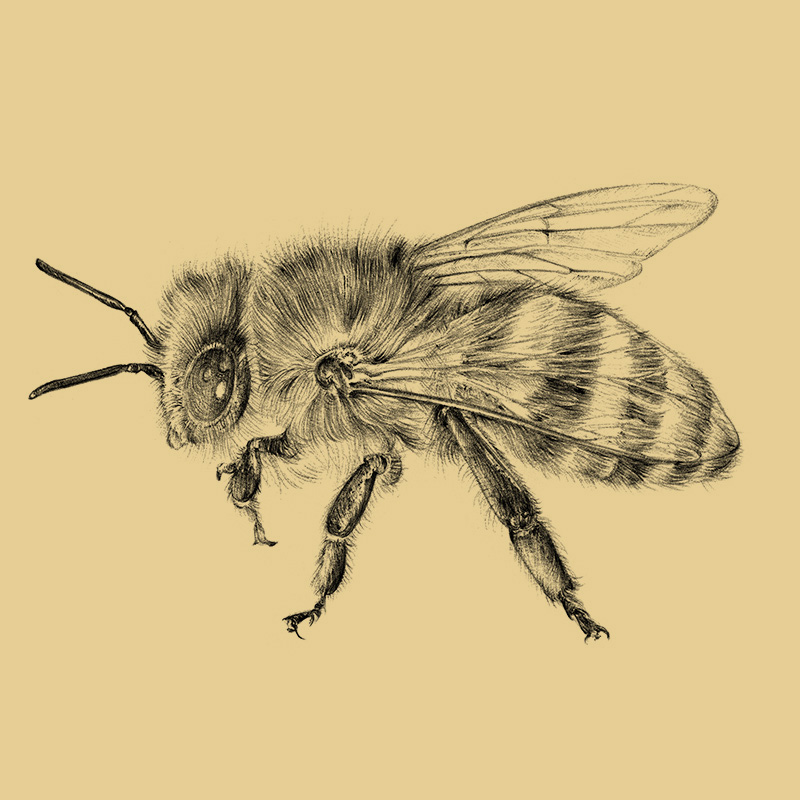
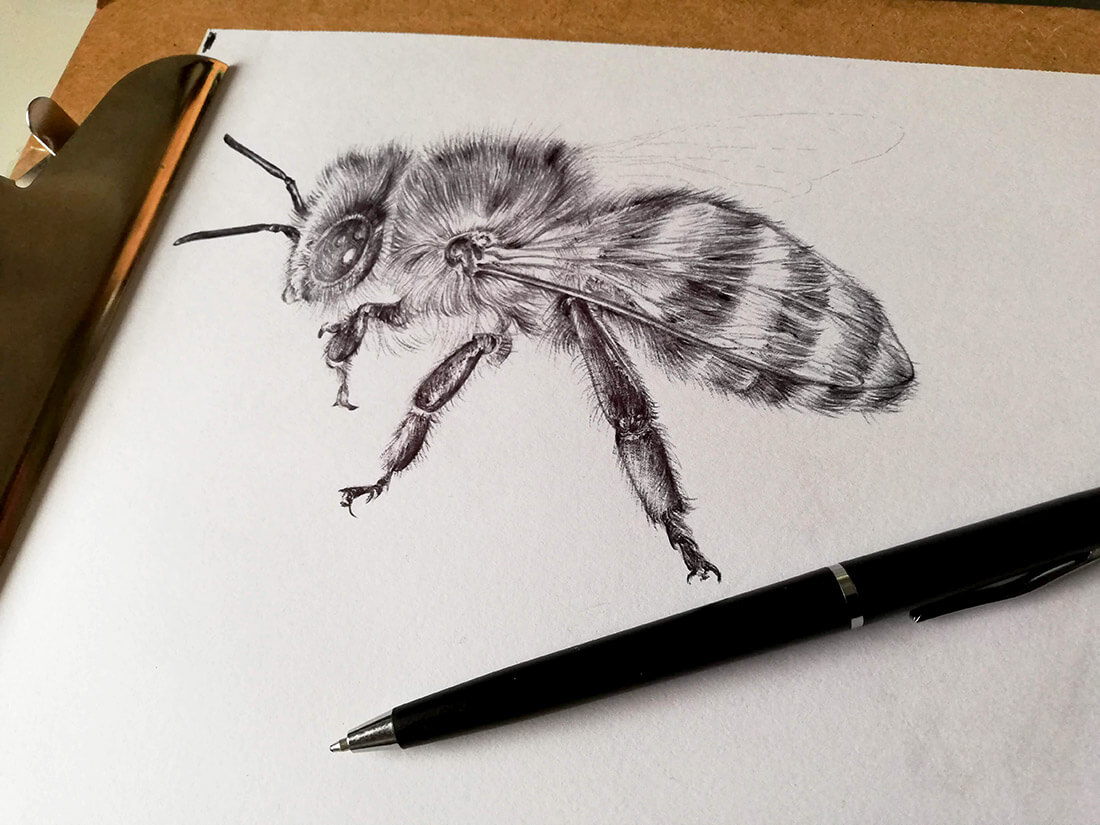
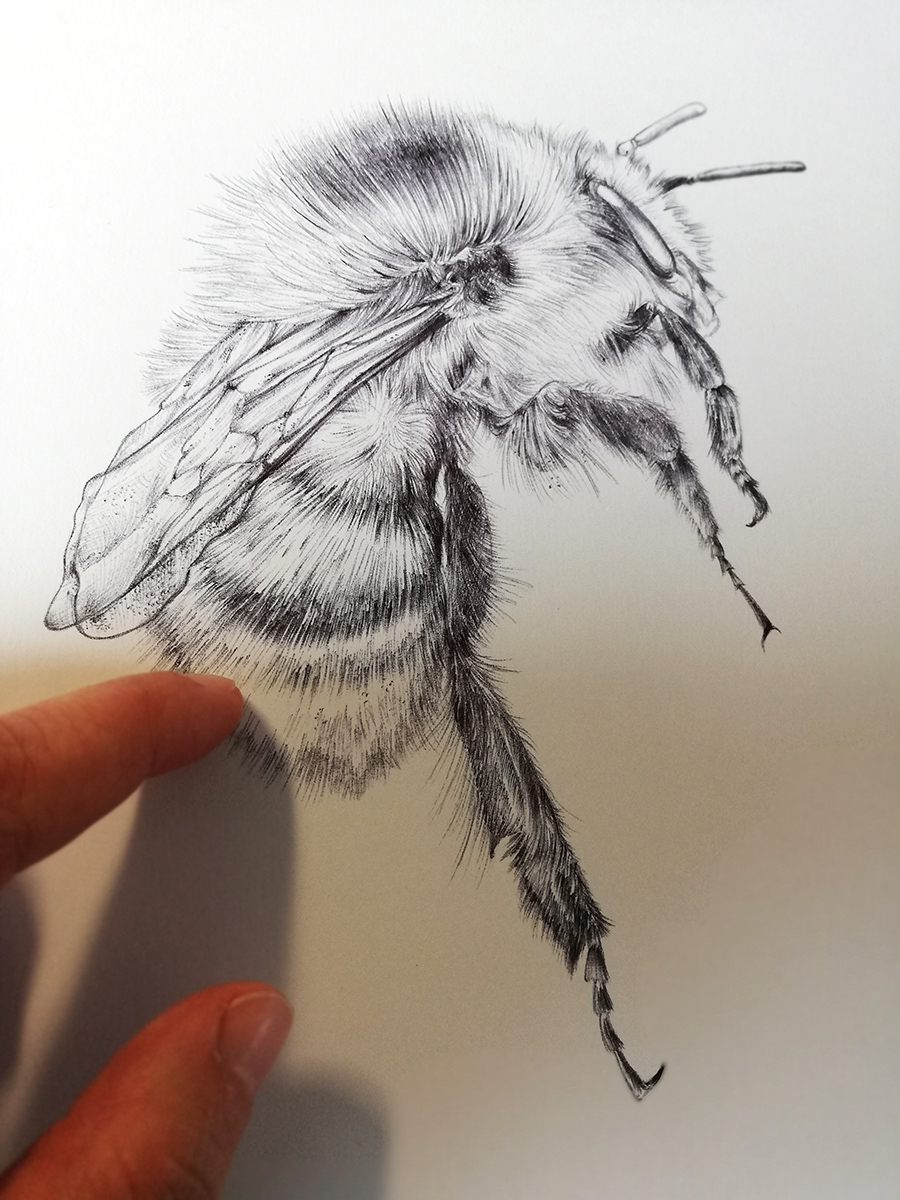
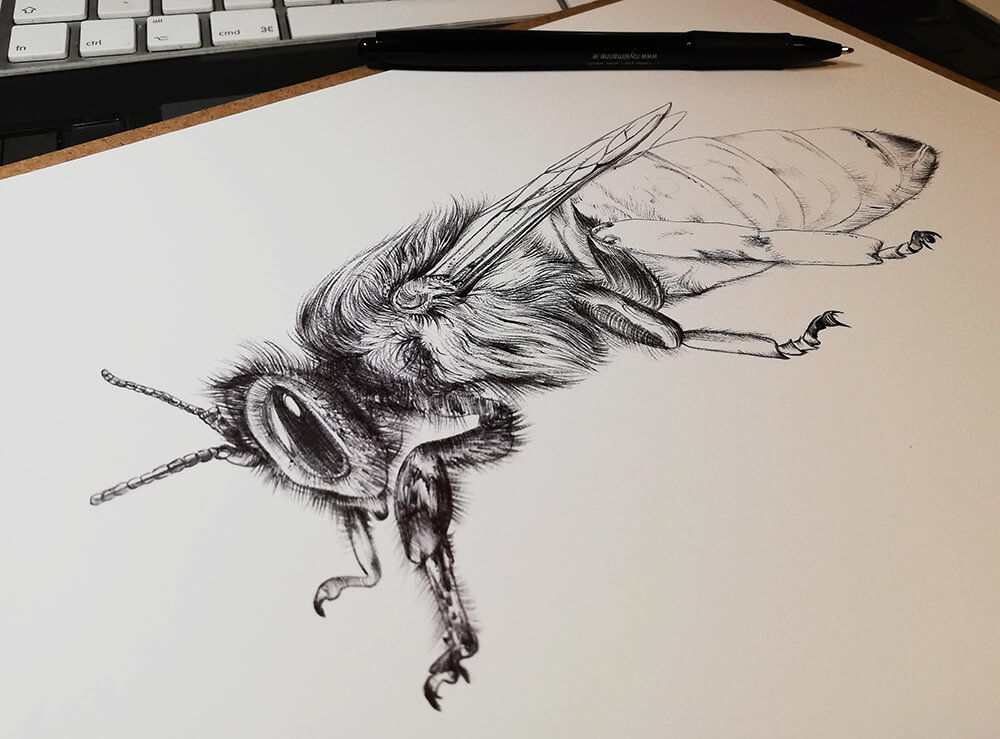
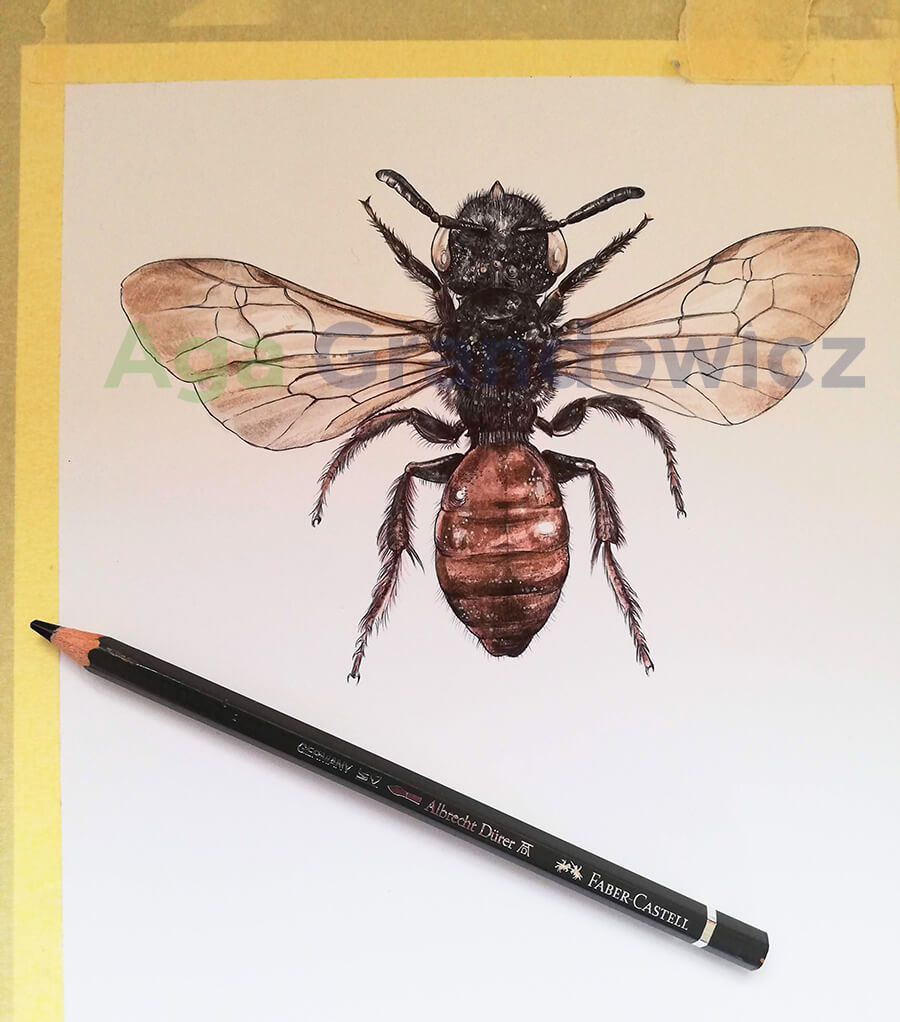
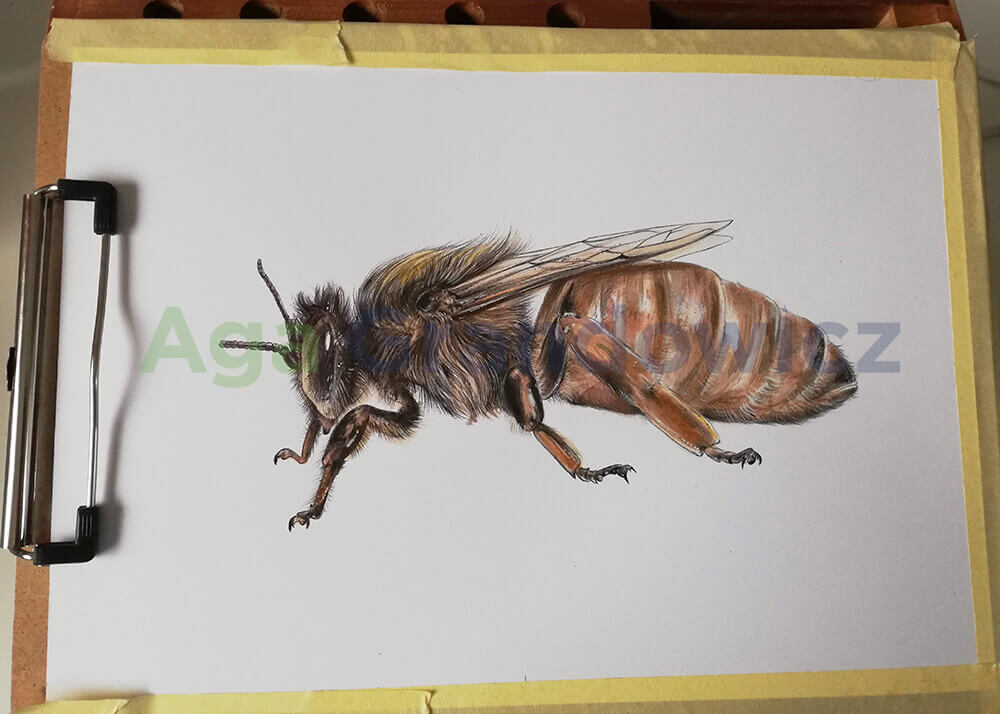
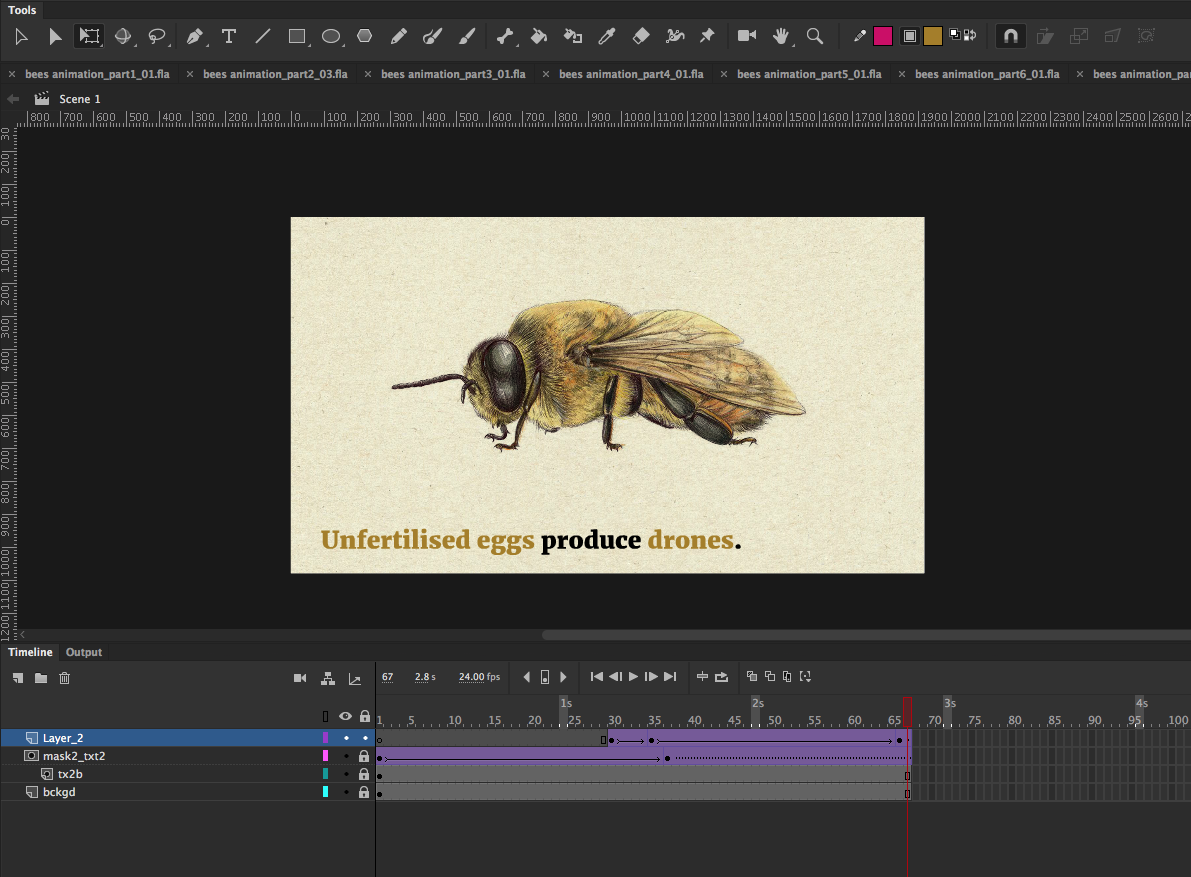
This personal project began as an exploration of that diversity through wildlife illustration. I created a series of detailed bee drawings and developed them into an illustrated video, combining natural-history research with traditional drawing and visual storytelling.
The project focuses particularly on honey bees and their relatives, while also looking beyond the familiar hive-dwelling species. The genus Apis contains the honey bees, but these represent only a tiny fraction of the world's bee diversity. From tiny solitary bees to much larger species, bees occupy a remarkable range of habitats and play essential roles as pollinators within ecosystems.
I was particularly interested in translating some of these facts into a visual format. Drawing each species gave me an opportunity to look closely at their anatomy, proportions, wing structure, markings and variations in colour, while the video format allowed the illustrations to be combined into a more accessible narrative.
The project was self-initiated and developed between commissioned illustration work. It reflects an aspect of my practice that I particularly enjoy: using wildlife illustration not simply to depict an animal, but to communicate information and encourage curiosity about the natural world.
The resulting video explores different types of honey bees, some of the world's smallest and largest bees, and a selection of other fascinating facts about these important and surprisingly diverse insects.
Watch the illustrated video on my YouTube channel.
The project also forms part of my wider interest in bees and pollinators, which has included wildlife illustration, applied design and educational projects. I enjoy finding creative ways to make subjects such as insects feel visually engaging and accessible, whether through a printed illustration, an educational resource, an animation or a public-facing design project.